
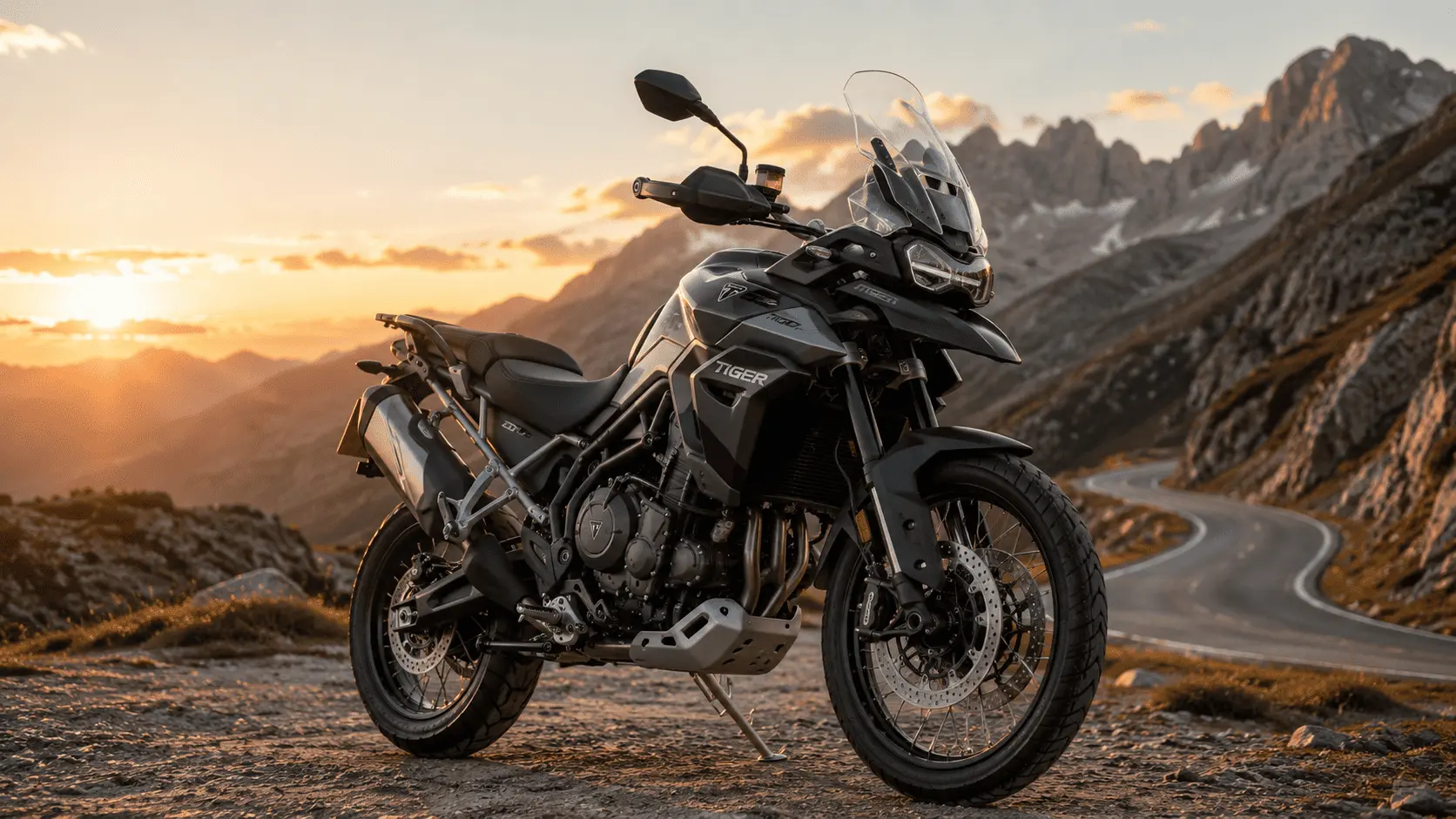
There’s a certain kind of rider who isn’t happy unless the odometer is climbing past a few hundred kilometers on the weekend. If that’s…
There’s a certain kind of rider who isn’t happy unless the odometer is climbing past a few hundred kilometers on the weekend. If that’s you, then picking from the best touring bikes available in India isn’t just about specs — it’s about which machine will actually feel good after eight hours in the saddle.
I’ve done a Jaipur-to-Manali run once on a bike that wasn’t really built for touring, and let’s just say my back reminded me of that mistake for a week afterward. Lesson learned — comfort matters more than looks when distance is the goal.
What Makes a Bike Good for Touring
It’s not horsepower alone, not even close.
Touring bikes need a comfortable riding posture, a fuel tank range that doesn’t force frequent stops, wind protection, and suspension that can absorb bad road stretches without rattling your spine apart.
Top Touring Bikes Available in India
- Royal Enfield Himalayan 450 — Purpose-built for long, rough-road touring, with genuinely improved ergonomics over the older model.
- Kawasaki Versys 650 — More power, better highway cruising speed, though pricier to maintain.
- Royal Enfield Meteor 350 — A softer, more relaxed touring option for riders who prefer cruiser-style comfort.
- Bajaj Dominar 400 — Great value for money, solid mid-range torque for highway overtakes.
Fuel Range and Tank Capacity Matters
Quick answer: For serious touring, look for bikes with at least a 15-liter tank and real-world mileage above 30 kmpl — this typically gives you a 350-400km range between fuel stops, which matters a lot on remote highway stretches.
Running low on fuel in the middle of a mountain pass is not an experience anyone wants to repeat.
Comfort Features to Prioritize
- Adjustable windscreen — reduces fatigue significantly on long highway stretches
- Wider, cushioned seat — non-negotiable for anything beyond 200km in a day
- Upright or semi-upright riding posture — reduces strain on wrists and lower back
- Good ground clearance — helps with unpredictable Indian road conditions
Engine Capacity: How Much Do You Really Need?
You don’t need a superbike for touring, and honestly, bigger isn’t always better here. A 400-450cc engine offers a solid balance of highway cruising ability and manageable fuel costs — most experienced tourers I know actually prefer this range over anything larger, purely for practicality on Indian roads.
Luggage and Accessory Compatibility
Check how easily a bike accepts panniers, top boxes, and crash guards before buying. Some bikes have a thriving aftermarket accessory ecosystem (Royal Enfields especially), while others make touring modifications unnecessarily expensive or complicated.
Maintenance on Long Trips
Carry a basic toolkit and know your bike’s service intervals before a long trip. Royal Enfield and Bajaj have wider service network coverage across smaller towns, which genuinely matters if something goes wrong mid-route.
[link to related guide about best bike accessories here]
Frequently Asked Questions
Which is the best touring bike under 3 lakh in India? The Royal Enfield Himalayan 450 and Bajaj Dominar 400 are strong options in this price range, both offering solid highway comfort and reliability.
Is 350cc enough for long-distance touring? Yes, for most riders it’s sufficient, though highway cruising at higher speeds feels more relaxed on a 400cc+ engine.
How important is a windscreen for touring bikes? Very important — it significantly reduces wind fatigue on long rides, which adds up over multiple hours of highway riding.
What’s the ideal tank capacity for touring? 15 liters or more is ideal, giving you a comfortable range without frequent fuel stops on remote stretches.
Are cruiser bikes better than adventure bikes for touring? It depends on the terrain — cruisers suit smooth highways better, while adventure bikes like the Himalayan handle mixed and rough terrain more confidently.
Conclusion
Choosing from the best touring bikes really comes down to the kind of roads you’ll actually ride on — smooth highways call for a cruiser-style comfort, while mixed terrain demands something more rugged. Whatever you pick, don’t skip a proper long test ride before committing. A bike that feels fine for 20 minutes can feel completely different after 200km.
[Suggested alt text 1: “Royal Enfield Himalayan touring bike on mountain highway”] [Suggested alt text 2: “Rider with luggage panniers on long distance motorcycle trip”]
Related posts
Best 150cc Bikes for Daily Commute in India 2026
The 150cc segment has quietly become the sweet spot for Indian commuters. Enough power to overtake comfortably, not so much that fuel bills spiral…
Cheapest Bikes with Best Mileage in India 2026
Every time petrol prices climb, search traffic for best mileage bikes spikes right along with it. Makes sense — for a huge chunk of…