
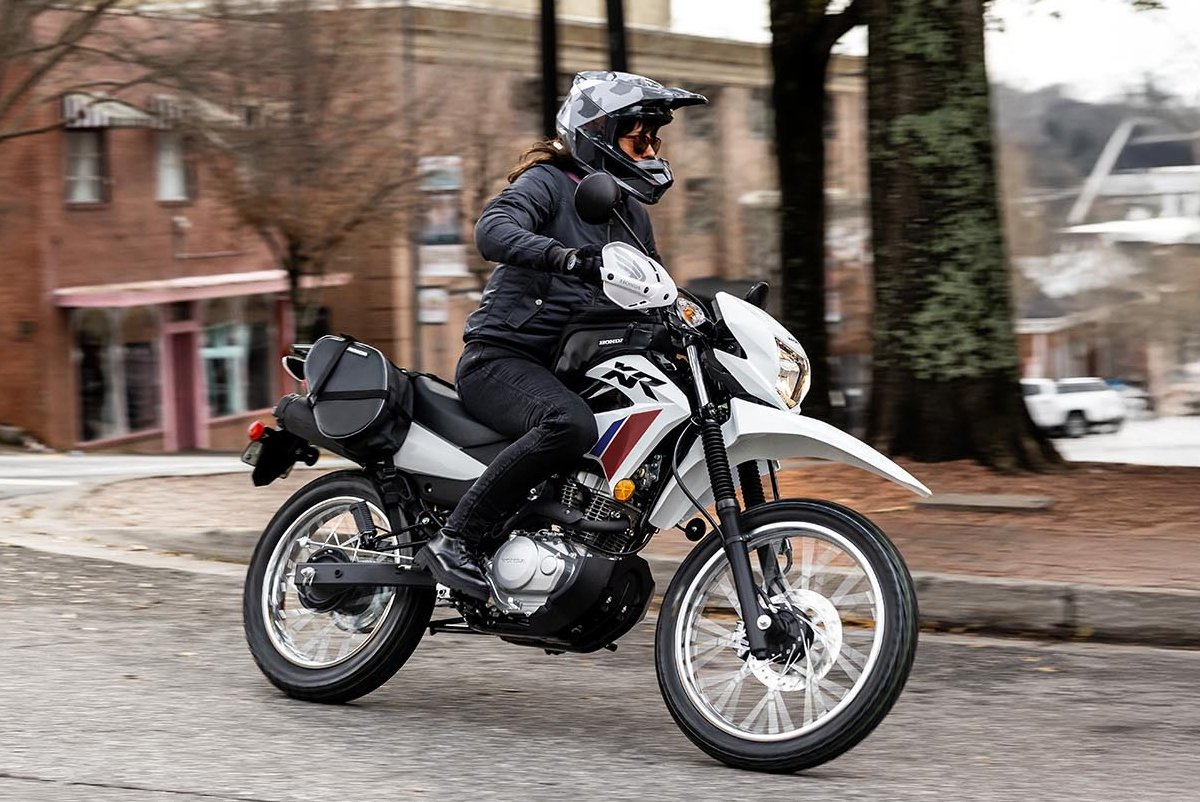
Every new rider I’ve ever spoken to makes the same mistake — falling for a flashy, powerful bike before they’ve even gotten comfortable with…
Every new rider I’ve ever spoken to makes the same mistake — falling for a flashy, powerful bike before they’ve even gotten comfortable with basic gear shifts. Choosing the best bike for beginners isn’t about impressing anyone; it’s about building genuine confidence and safety in those crucial first few months.
I remember my own first bike — way too much power for my skill level at the time. Dropped it twice in the first month alone. Don’t repeat my mistake.
Why Engine Size Matters So Much for New Riders
Bigger isn’t better when you’re just starting out. Not even close.
The best bike for beginners typically falls in the 100-150cc range, offering enough power to build confidence without overwhelming a rider who’s still learning throttle and clutch control basics.
Recommended Engine Capacity for New Riders
Quick answer: For most beginners, a 100-125cc bike offers the ideal balance of manageable power, good mileage, and lower insurance costs, making it easier to build fundamental riding skills before progressing to more powerful machines.
Physical Fit: Seat Height and Weight Matter
- Seat height should allow both feet to comfortably touch the ground while seated
- Bike weight matters more than most beginners realize — a lighter bike is easier to control at low speeds and during parking maneuvers
- Handlebar reach should feel natural, not stretched or cramped
Safety Features Beginners Should Prioritize
Don’t skip ABS to save a few thousand rupees — this is genuinely one area where I’d tell any beginner not to compromise. Single-channel ABS, at minimum, significantly reduces the risk of wheel lock-up during sudden braking, a common scenario for new riders still learning proper braking technique.
Should Beginners Choose Manual or Scooter-Style?
This depends entirely on what kind of riding you’re planning long-term. If you eventually want to progress to bigger bikes, starting on a geared 100-125cc bike builds foundational clutch and gear skills. If convenience is your priority and you don’t plan on upgrading, an automatic scooter works perfectly well too.
Common Mistakes New Riders Make When Choosing
- Buying based purely on looks rather than manageable power and fit
- Ignoring maintenance costs and service network availability in their area
- Skipping a proper test ride, relying only on online reviews or friends’ opinions
- Underestimating the importance of proper riding gear alongside the bike itself
Budget Considerations for First-Time Buyers
Factor in insurance, riding gear, and basic maintenance costs alongside the bike’s purchase price — beginners often budget only for the bike itself and get caught off guard by these additional expenses in the first year of ownership.
[link to related guide about best 150cc bikes here]
Frequently Asked Questions
What is the ideal engine size for a beginner rider? A 100-125cc engine is generally recommended for beginners, offering manageable power while still being practical for daily commuting.
Should a beginner buy a manual bike or an automatic scooter? It depends on long-term goals — manual bikes build foundational skills for future upgrades, while scooters offer convenience for those not planning to upgrade.
Is ABS necessary for a beginner’s first bike? Yes, it’s strongly recommended, as it significantly reduces the risk of wheel lock-up during emergency braking, a common situation for new riders.
How do I know if a bike’s seat height is right for me? Both feet should comfortably reach the ground while seated on the bike; struggling to balance indicates the seat height may be too tall for you.
What additional costs should beginners budget for besides the bike price? Insurance, protective riding gear, registration, and routine maintenance should all be factored into your total budget beyond just the purchase price.
Conclusion
Picking the best bike for beginners is really about prioritizing confidence-building and safety over raw excitement in those first few months of riding. Start manageable, invest in proper safety gear, and give yourself time to genuinely master the basics before even thinking about upgrading. There’s no rush — every experienced rider started exactly where you are now.
[Suggested alt text 1: “New rider learning on beginner-friendly motorcycle”] [Suggested alt text 2: “Beginner bike parked with helmet and riding gear”]
Related posts

Complete Second Hand Car Buying Guide for 2026
A friend of mine once bought a used sedan purely because it “looked clean” — three months later, he was staring down a gearbox…
EV Buying Guide: What to Check Before You Purchase
Buying your first electric vehicle feels a little different from buying a regular petrol car — there’s a whole new set of questions to…