

Every second buyer walking into a two-wheeler showroom these days seems to be wrestling with the same question — petrol vs electric scooter, which…
Every second buyer walking into a two-wheeler showroom these days seems to be wrestling with the same question — petrol vs electric scooter, which one actually makes sense for me? There’s no universal right answer here, honestly, and anyone who tells you otherwise is probably trying to sell you something.
Let’s break this down properly, based on how people actually use their scooters day to day.
Upfront Cost Comparison
Electric scooters generally carry a higher upfront price tag than comparable petrol models, even after factoring in available subsidies.
In this petrol vs electric scooter comparison, petrol still wins on initial affordability for most budget-conscious first-time buyers, though the gap has narrowed considerably compared to a few years back.
Running Cost: Where Electric Pulls Ahead
Quick answer: Electric scooters typically cost 50-60% less per kilometer to run compared to petrol scooters at current fuel prices, making them significantly cheaper over a year of regular daily commuting.
If your daily riding distance is high, this running cost gap becomes the single biggest factor tilting the decision toward electric.
Range and Refueling Convenience
- Petrol scooters offer near-instant refueling at any fuel station, with virtually zero range anxiety
- Electric scooters require planning around charging time, especially without home charging access
- Public charging infrastructure, while growing, remains inconsistent outside major cities
Maintenance Requirements Compared
Electric scooters generally have fewer moving parts, translating to lower routine maintenance needs — no oil changes, fewer mechanical components to service regularly. Petrol scooters require more frequent servicing, though the service network is far more established and widespread across the country.
Performance Differences You’ll Actually Notice
Electric scooters typically deliver instant torque, making them feel genuinely peppier off the line in city traffic compared to most petrol scooters in the same price bracket. Petrol scooters, meanwhile, tend to maintain performance more consistently across varying temperature conditions.
Resale Value: A Real Concern for Electric
This is honestly where petrol scooters still hold a clear advantage. The used electric scooter market is still developing in India, and buyers remain understandably cautious about battery health in second-hand EVs, which affects resale pricing more than it does for petrol scooters.
Which One Actually Suits You?
If you ride under 40km daily and have access to home charging, electric makes strong financial sense over a few years. If you frequently travel longer distances, live in an area with limited charging infrastructure, or prioritize instant refueling convenience, petrol remains the more practical choice for now.
[link to related guide about best electric scooters under 1 lakh here]
Frequently Asked Questions
Is an electric scooter cheaper to own than a petrol scooter overall? Over several years of regular use, yes, primarily due to lower running and maintenance costs, despite the higher upfront purchase price.
Which is better for daily short-distance commuting? Electric scooters generally suit short daily commutes well, especially with home charging access, offering lower running costs for typical urban distances.
Do electric scooters perform well in Indian summer heat? Generally yes, though extreme heat can affect battery efficiency slightly, which is a consideration petrol scooters don’t face in the same way.
Is resale value a bigger concern for electric scooters? Yes, currently the used EV market is less established, making resale value somewhat less predictable compared to petrol scooters.
Which option has lower maintenance costs? Electric scooters generally have lower routine maintenance costs due to fewer mechanical components requiring regular servicing.
Conclusion
This petrol vs electric scooter debate really boils down to your specific usage pattern rather than one option being universally better. Short daily commutes with home charging access clearly favor electric; longer, unpredictable travel needs still lean toward petrol’s convenience. Be honest with yourself about your actual riding habits before deciding — that’s the real key here.
[Suggested alt text 1: “Petrol and electric scooter parked side by side comparison”] [Suggested alt text 2: “Charging cable plugged into electric scooter versus fuel nozzle”]
Related posts
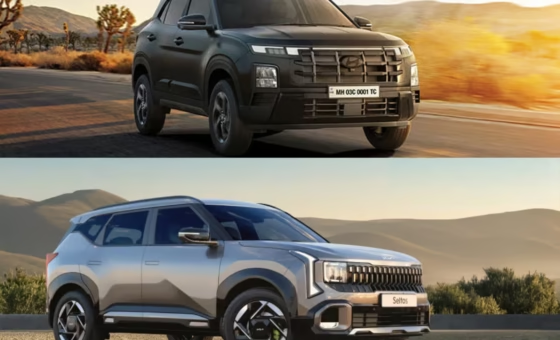
Hyundai Creta vs Kia Seltos: Full 2026 Comparison
Few rivalries in the Indian compact SUV segment run as hot as Creta vs Seltos. Both share underlying platform DNA, both target nearly identical…
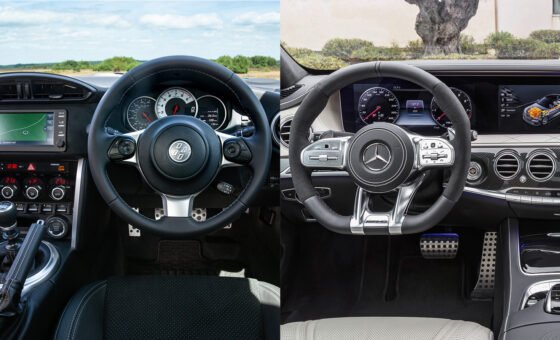
Manual vs Automatic Cars: Which Is Better in 2026?
The manual vs automatic car debate has been running for decades, but it’s gotten genuinely more interesting recently as automatic technology has improved dramatically…