
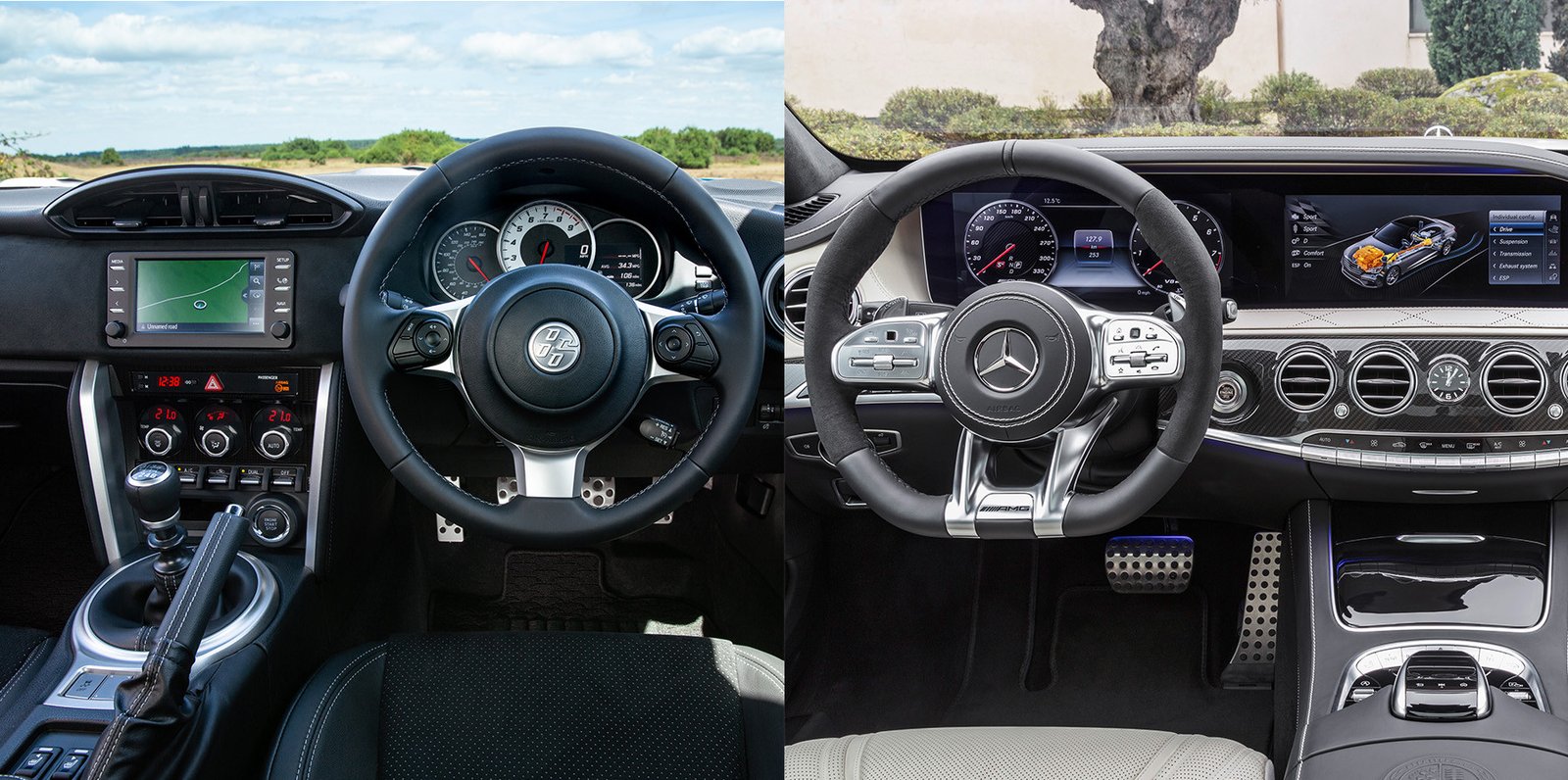
The manual vs automatic car debate has been running for decades, but it’s gotten genuinely more interesting recently as automatic technology has improved dramatically…
The manual vs automatic car debate has been running for decades, but it’s gotten genuinely more interesting recently as automatic technology has improved dramatically while remaining affordable even in budget segments. So does manual still make sense in 2026, or has automatic simply won?
I’ve owned both over the years, and my honest take is — it’s genuinely more nuanced than either camp likes to admit.
Upfront Cost Difference
This remains one of the clearest, most consistent differences between the two.
In the manual vs automatic car debate, manual transmission variants typically cost noticeably less than their automatic counterparts across nearly every segment, sometimes by a meaningful margin on budget models.
Fuel Efficiency Comparison
Quick answer: Modern automatic transmissions, particularly AMT and CVT variants, have largely closed the fuel efficiency gap with manuals, though traditional torque-converter automatics still typically consume slightly more fuel than manual counterparts, especially in city driving.
Driving Experience in Heavy Traffic
- Automatic cars genuinely reduce driver fatigue in stop-start traffic, no clutch work required
- Manual cars offer more direct control, appreciated by driving enthusiasts who enjoy the engagement
- AMT gearboxes, while cheaper, can feel jerky during gear shifts compared to smoother CVT or torque-converter options
Maintenance Cost Differences
Automatic transmissions, particularly traditional torque-converter units, generally cost more to repair if something goes wrong, and specialized service isn’t available everywhere. Manual transmissions remain simpler mechanically, meaning cheaper and more widely available repairs across even smaller towns.
Resale Value Considerations
Automatic variants often command a premium in the resale market, particularly in metro cities where traffic conditions make automatics genuinely more desirable. In smaller towns, though, manual variants sometimes hold value just as well, or even better, given lower demand for automatics there.
Who Should Choose Manual?
If you’re budget-conscious, drive primarily on open roads with less traffic, or simply enjoy the engagement of manual driving, sticking with manual remains a perfectly sensible choice — there’s nothing outdated about it despite what automatic-transmission marketing might suggest.
Who Should Choose Automatic?
If your daily commute involves heavy, unpredictable traffic, the convenience of automatic genuinely reduces fatigue over time in ways that are hard to appreciate until you’ve experienced both back to back. The extra upfront cost, for many urban commuters, ends up feeling worth it within the first few months of ownership.
[link to related guide about best cars under 10 lakh here]
Frequently Asked Questions
Is automatic better than manual for city driving? Generally yes, automatics reduce driver fatigue significantly in stop-start traffic conditions, which is a major factor for most urban commuters.
Do manual cars really give better mileage than automatic? Traditional automatics can lag slightly behind manuals in fuel efficiency, though modern AMT and CVT options have largely closed this gap.
Is automatic car maintenance more expensive? Generally yes, particularly for torque-converter automatics, which require more specialized service compared to simpler manual transmissions.
Which holds better resale value, manual or automatic? It varies by location — automatics often fetch a premium in metro cities, while manuals can hold comparable value in smaller towns with less automatic demand.
Is AMT as good as a full automatic transmission? AMT is more affordable but can feel less smooth during gear shifts compared to a proper torque-converter or CVT automatic transmission.
Conclusion
There’s no universal winner in the manual vs automatic car debate — it genuinely depends on your daily driving conditions, budget, and personal preference. If traffic dominates your daily commute, automatic’s convenience is hard to argue against. If budget and simplicity matter more, manual remains a completely valid, sensible choice in 2026.
[Suggested alt text 1: “Manual gear shift lever close-up inside car”] [Suggested alt text 2: “Automatic transmission gear selector in modern car interior”]
Related posts
Petrol vs Electric Scooter: Which One to Buy in 2026?
Every second buyer walking into a two-wheeler showroom these days seems to be wrestling with the same question — petrol vs electric scooter, which…
Hyundai Creta vs Kia Seltos: Full 2026 Comparison
Few rivalries in the Indian compact SUV segment run as hot as Creta vs Seltos. Both share underlying platform DNA, both target nearly identical…