
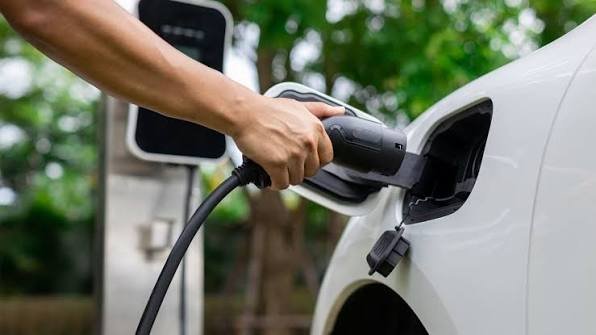
Every time someone tells me EVs are too expensive, I ask them one question — have you actually checked what the EV subsidy brings…
Every time someone tells me EVs are too expensive, I ask them one question — have you actually checked what the EV subsidy brings the price down to? More often than not, they haven’t, and the final number surprises them.
Government incentives on electric vehicles in India can genuinely change the math on whether an EV makes financial sense for you. But the subsidy landscape is honestly a bit confusing, with central schemes, state-level benefits, and manufacturer offers all stacking differently depending on where you live.
Why Subsidies Exist in the First Place
It’s a straightforward policy goal, really.
The EV subsidy framework exists to accelerate India’s shift away from fossil-fuel vehicles, reduce urban pollution, and cut the country’s oil import dependence — all while making the upfront cost gap between EVs and petrol vehicles smaller for buyers.
Central Government Incentives
Quick answer: Central government EV incentives in India primarily work through reduced GST rates (5% on EVs versus much higher rates on petrol/diesel vehicles) rather than direct cash subsidies, along with income tax benefits on EV loan interest for individual buyers.
State-Level Subsidies: Where the Real Variation Lies
This is where it gets genuinely complicated, since every state runs its own scheme.
- Some states offer direct purchase subsidies, often higher for two-wheelers than four-wheelers
- Many states also waive road tax and registration fees entirely for EVs
- A few states offer additional incentives for scrapping an old petrol vehicle when buying an EV
Check your specific state’s transport department website for the most current numbers, since these schemes get revised fairly often and vary significantly by region.
How Much Can You Actually Save?
The combined effect of GST benefits, state subsidies, and road tax waivers can meaningfully reduce the effective on-road price of an EV compared to its petrol equivalent — in some states, the gap narrows quite significantly once all incentives are factored in.
Documents Required to Claim EV Subsidies
Most schemes require fairly standard paperwork:
- Valid proof of vehicle registration in the applicant’s name
- Purchase invoice from an authorized dealer
- Proof of residence in the applicable state
- Bank account details for direct subsidy transfer, where applicable
Common Mistakes Buyers Make With EV Subsidies
I’ve seen people assume subsidies apply automatically at purchase — sometimes they do, sometimes you need to apply separately after registration. Always confirm with your dealer exactly how and when the subsidy gets applied, rather than assuming it’s baked into the sticker price you see.
Will EV Subsidies Continue Long-Term?
Policy tends to shift as EV adoption increases and government revenue considerations evolve. It’s reasonable to expect some incentives to taper off gradually as EVs become more mainstream and less dependent on subsidy support to compete on price.
[link to related guide about EV buying guide here]
Frequently Asked Questions
Is there a direct cash subsidy for buying an EV in India? It varies by state — some states offer direct purchase subsidies, particularly for two-wheelers, while central benefits mostly come through GST and tax structuring rather than cash payouts.
Do I need to apply separately for EV subsidies? In many cases yes, especially for state-level subsidies. Some are applied automatically by dealers, but always confirm the process before finalizing your purchase.
Are EV subsidies different for two-wheelers and four-wheelers? Yes, generally two-wheeler subsidies tend to be more generous proportionally, aimed at accelerating adoption in the high-volume scooter segment.
Does GST reduction apply to used EVs as well? The reduced GST rate primarily applies to new EV purchases; used EV transactions are typically governed by different tax rules.
Will EV subsidies reduce in the coming years? It’s likely, as adoption increases and policy priorities shift, though the exact timeline varies and depends on individual state and central government decisions.
Conclusion
Understanding the EV subsidy landscape properly before you buy can genuinely change your total cost calculation, sometimes significantly. Don’t just look at the sticker price at the showroom — factor in GST benefits, your specific state’s incentives, and road tax waivers to get the real picture. It’s a bit of homework, sure, but it’s homework that can save you real money.
[Suggested alt text 1: “Electric vehicle price breakdown showing subsidy savings”] [Suggested alt text 2: “EV owner reviewing government subsidy documents”]
Related posts
Best Electric Scooters Under 1 Lakh in India 2026
Two years ago, electric scooters felt like a gamble — questionable range, patchy service networks, and a fair share of horror stories on social…
How Long Do EV Batteries Actually Last in 2026?
“But what happens when the battery dies?” It’s probably the single most common question I hear from people considering their first electric vehicle. Concerns…